
What Should I Have in My Emergency Kit? The UK Government's 3-Day Checklist
1. The short answer
The UK government says "being ready for 3 days helps you manage while support reaches those most in need." Its Be Ready checklist covers: bottled water for 3 days (3 litres per person per day for drinking), non-perishable food that needs no fridge or cooking, hygiene products, a torch and spare batteries, blankets and warm clothing, an FM radio (battery or wind-up), a charged power bank, cash and copies of documents, a first aid kit and essential medication, plus baby and pet supplies if you need them.
You don't have to buy it all at once — the government suggests building it up "step by step" on normal shopping trips. Below is the full list as a table, then the bit most lists skip: getting your phone ready for no signal (offline apps like Lookout and 70 BPM, and games like Captain Star, Zero G and Down the Drone), and keeping the household calm. 70 BPM is not a medical device; in an emergency, call 999 or 112.

70 BPM · Free heart rate app for iPhone
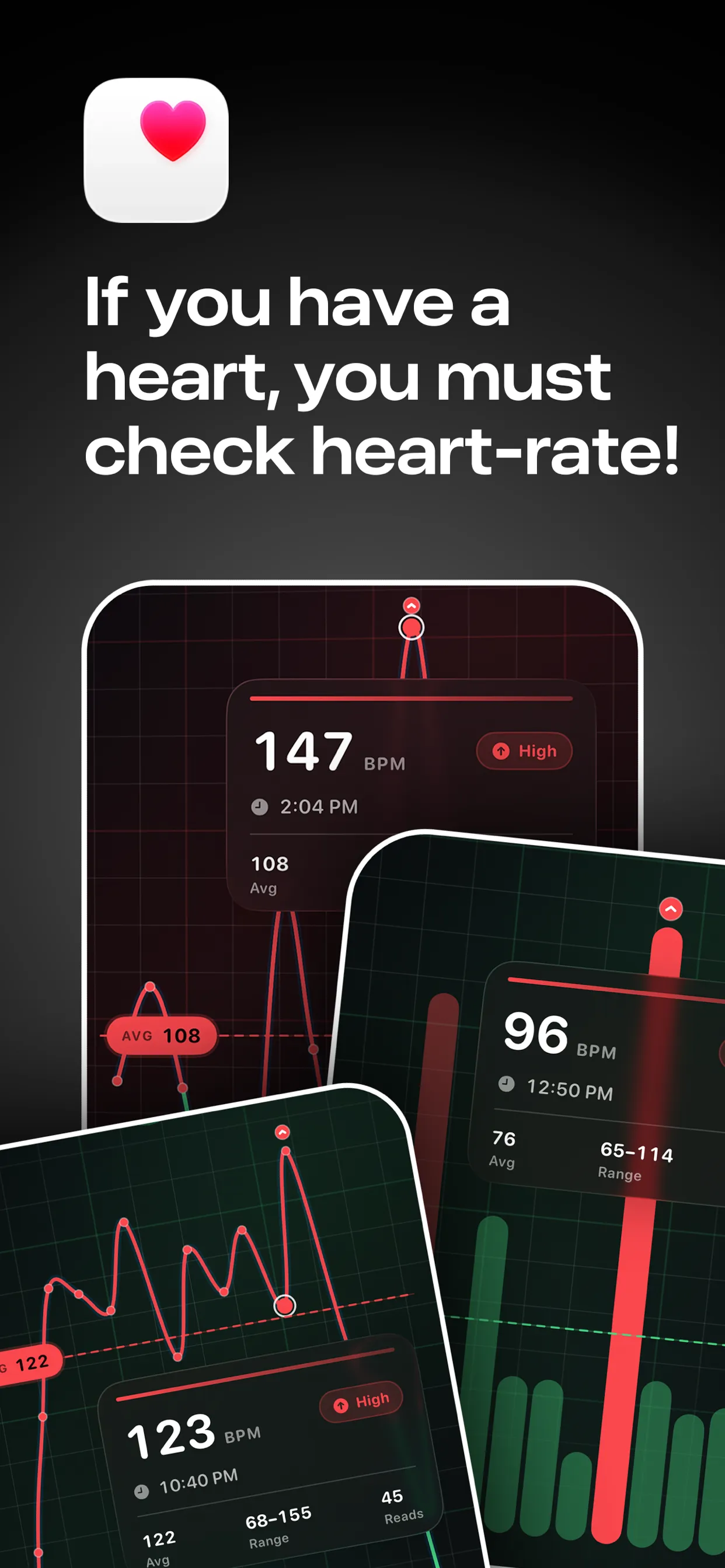
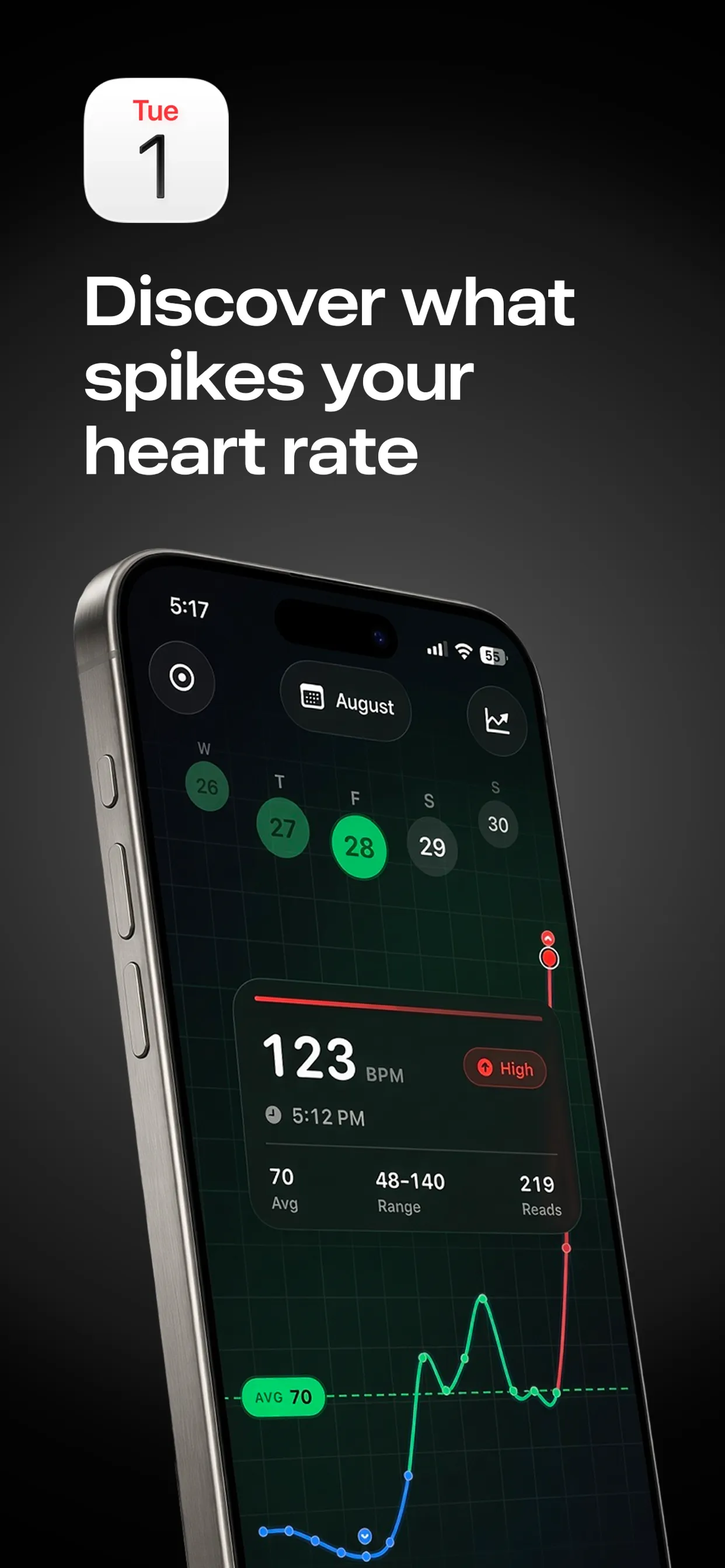
70 BPM: see what caused every heart rate spike
70 BPM lays your Apple Health heart rate over your calendar, so every spike has a name: the standup, the client call, the commute home.

Free to download · Optional Pro in-app purchases · Reads from Apple Health · Stays on your iPhone · Not a medical device; in an emergency, call 999 or 112

Lookout · Free dual camera recorder
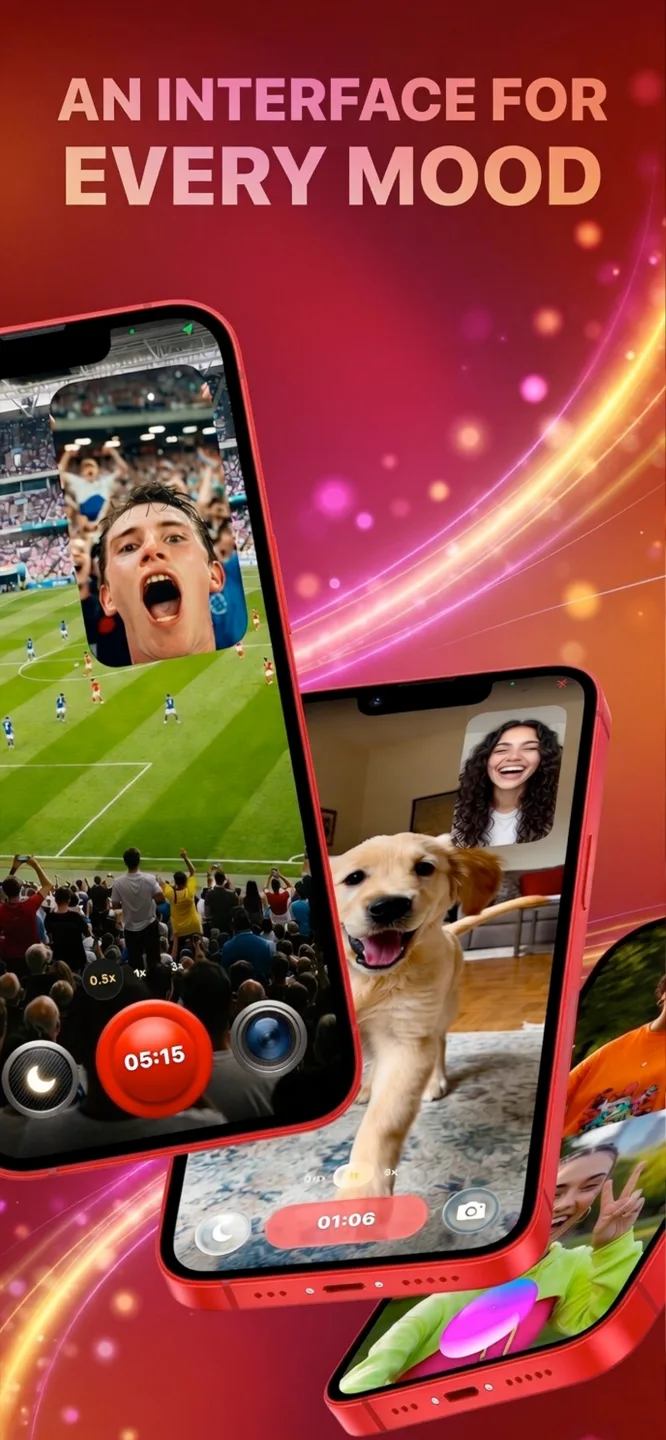
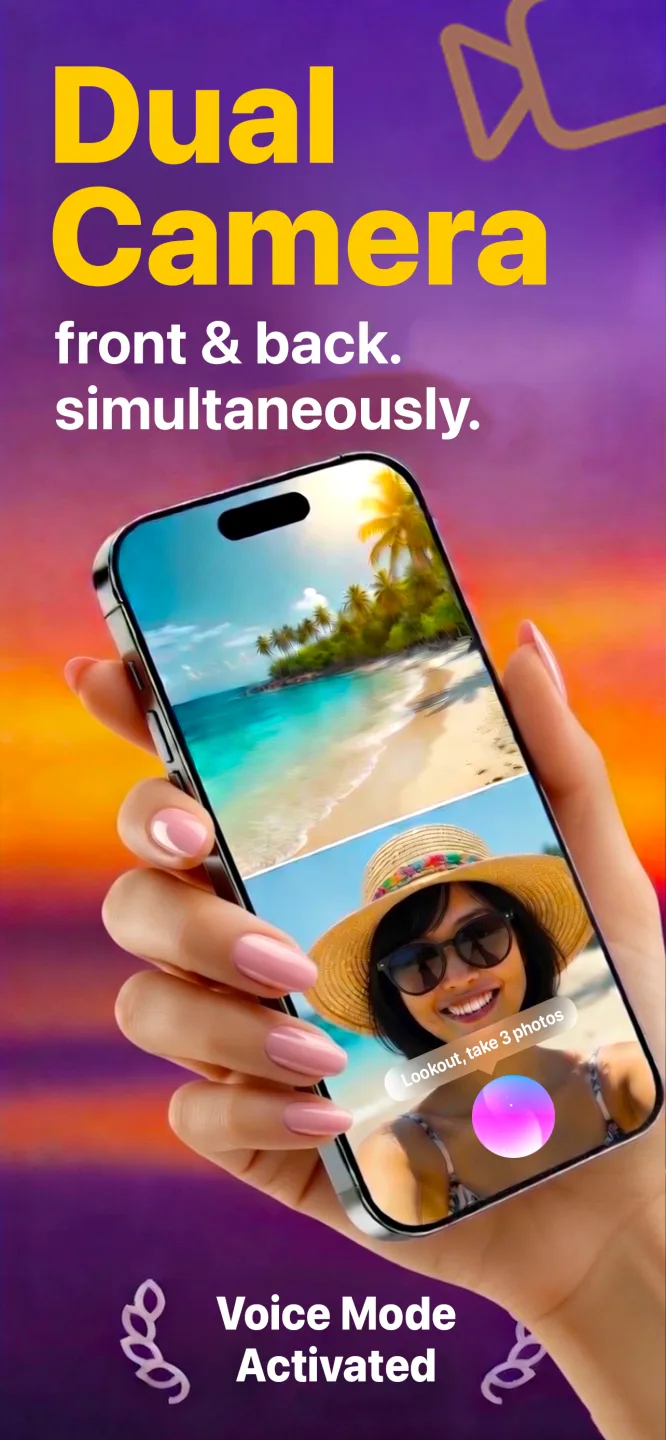
Lookout: film the moment and the reaction
Lookout runs your iPhone's front and rear cameras in one capture session, so both angles are of the same moment and line up without manual syncing.
Free to download · Lookout Pro in-app purchase · iPhone, Mac & Apple Watch · Records, does not edit. What Lookout is

Down The Drone · Free AR shooter for iPhone
Down The Drone: an AR drone shooter that plays offline
Hostile drone swarms fly in over your sofa, down your hallway, across your backyard. Aim, fire and hold the line, right where you’re standing.
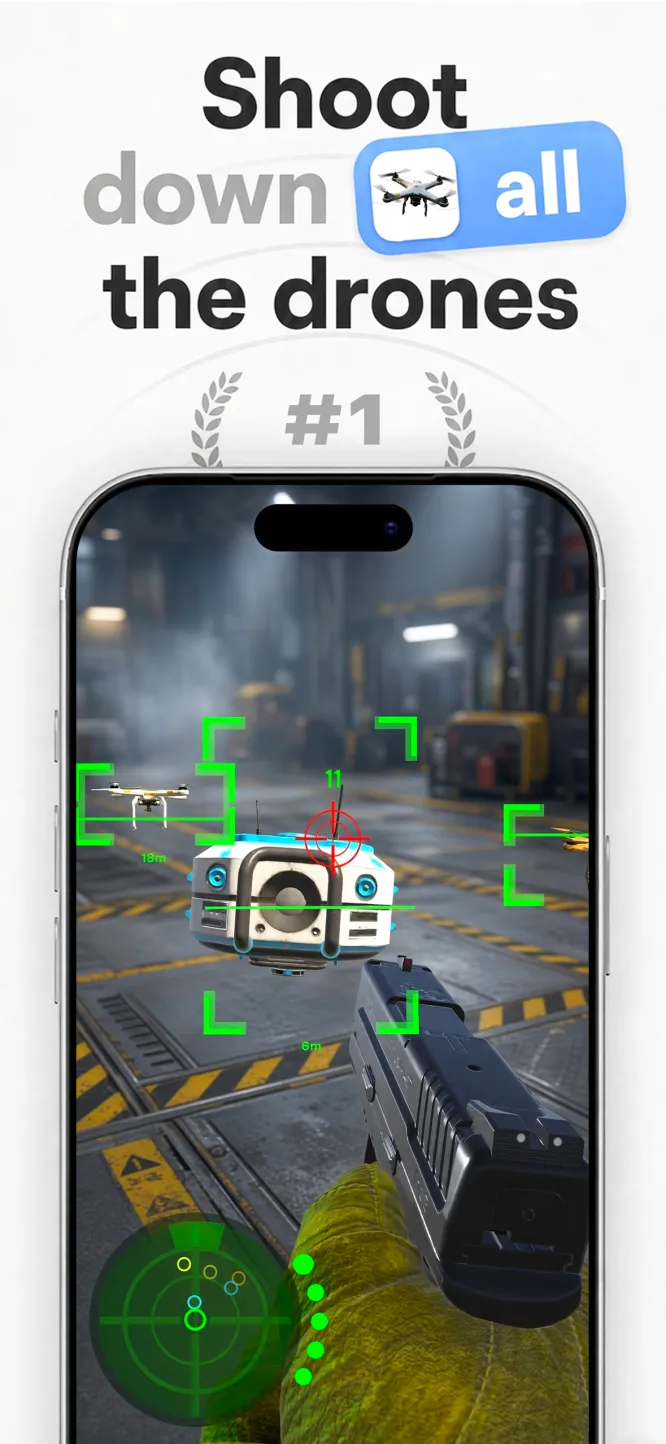
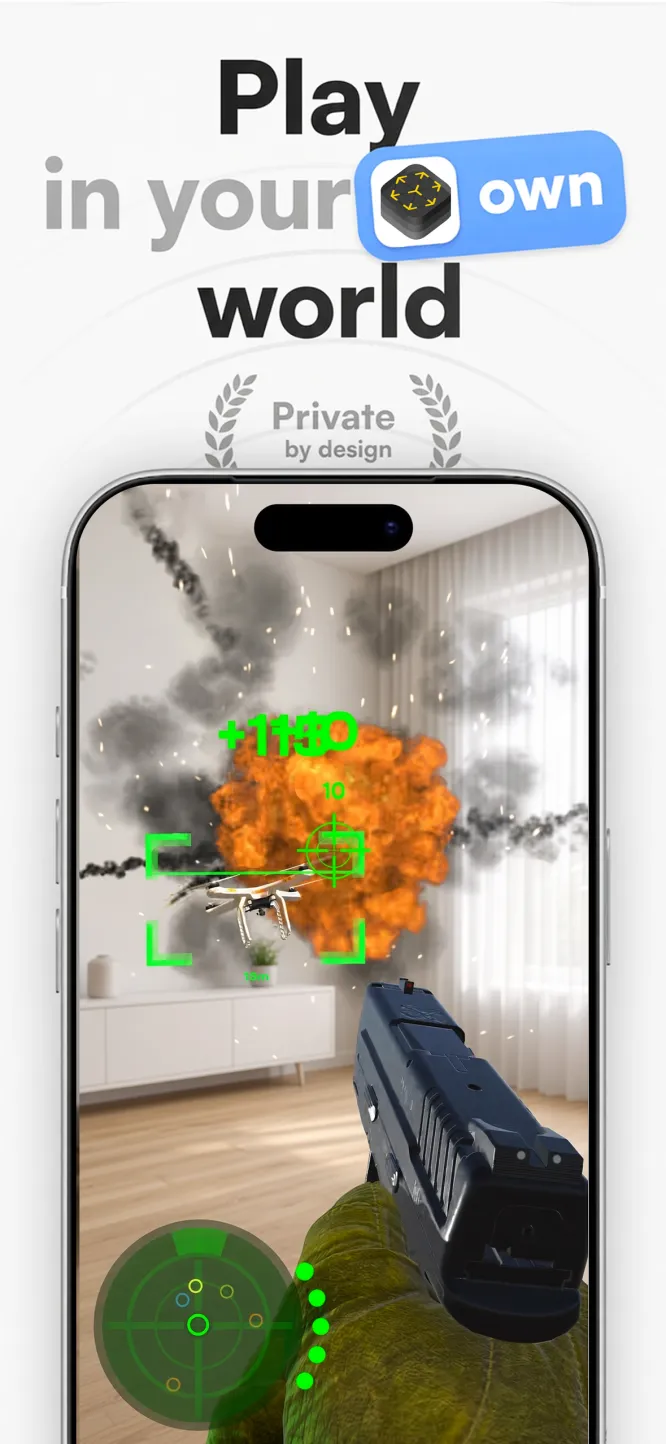
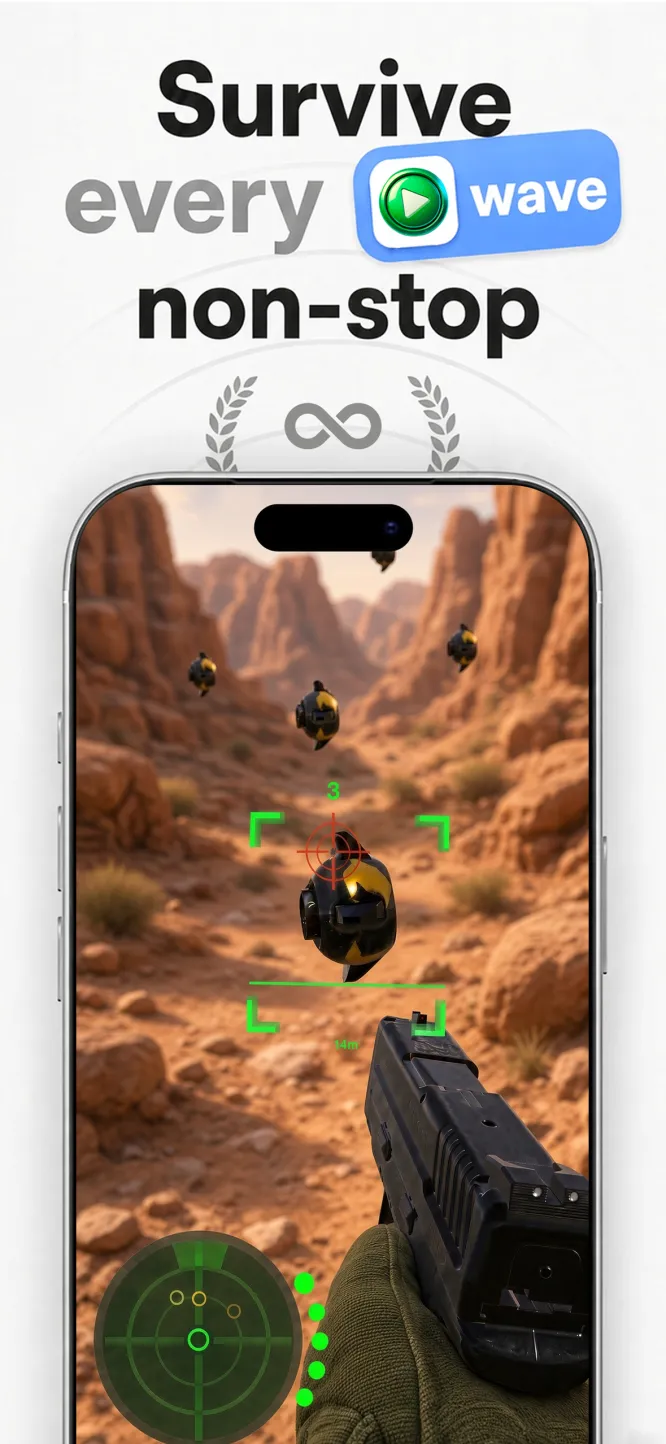
Free to download · No ads · Plays offline · Full game: in-app purchase

Captain Star · Endless space shooter
Captain Star: an easy first shmup
Easy to pick up, impossible to put down. Your ship goes where the pointer goes, each wave has one goal, and restarts are instant.




Mac App Store · Steam for Windows · Apple TV and iPad

Zero G Space Game · Arcade asteroid shooter for Mac
Zero G Space Game: the asteroid field that fights back
Spin, thrust, fire and wrap the screen. Real inertia, a shield you can time into a parry, hyperspace, and waves that keep escalating.


Mac App Store · Free to download · macOS 13+ · Two full waves free, then a one-time Unlock Full Game
2. The official list (GOV.UK Be Ready)
From Be ready for emergencies:
- Water: bottled water for 3 days — 3 litres per person per day for drinking. More is needed for cooking and washing.
- Food: non-perishable food for 3 days that doesn't need refrigeration or cooking, e.g. tinned meat, fish or vegetables, dried fruit and nuts. "It's best to buy food you'd usually eat."
- Hygiene: hand sanitiser, wet wipes and bathroom products.
- Light and warmth: torch and spare batteries ("torches are safer than candles"); blankets, sleeping bags and warm clothing.
- Communication: FM radio (battery/wind-up) with your stations' frequencies written down; a charged power bank "to charge phones or compatible medical devices."
- Money and documents: cash in coins and notes, printed copies of IDs and documents, and important phone numbers and a medication list on paper.
- Medical: first aid kit and essential medication — request repeat prescriptions up to 5 working days before you need them.
- Baby: ready-to-feed formula, nappies and wipes. Pets: food and bottled water.
The government also suggests checking your kit every six months.
3. Printable UK checklist
| Category | Item | Note | Got it? |
|---|---|---|---|
| Water | Bottled water | 3 L/person/day × 3 days = 9 L each | ☐ |
| Food | Tins, dried fruit, nuts + tin opener | No-cook, food you usually eat | ☐ |
| Hygiene | Sanitiser, wet wipes | — | ☐ |
| Light | Torch + spare batteries | Safer than candles | ☐ |
| Warmth | Blankets, sleeping bags, layers | Homes cool fast | ☐ |
| Info | FM battery/wind-up radio | Write frequencies down | ☐ |
| Power | Charged power bank | For phones / medical devices | ☐ |
| Money | Cash, coins and notes | ATMs may be down | ☐ |
| Papers | ID copies, numbers, meds list | On paper | ☐ |
| Health | First aid kit, medication | Repeat scripts early | ☐ |
| Baby/Pets | Ready-to-feed formula, nappies, pet food | If needed | ☐ |
| Family | Cards, books, offline games | For long evenings | ☐ |
4. Water and food
Nine litres per person sounds like a lot, but a few multipacks cover it. The Power cuts page explains why it matters: mains water "could also be disrupted during and after power cuts." Choose ready-to-eat tins and don't forget a tin opener.
During a power cut, keep fridge and freezer doors closed so they "stay cold for several hours," and check the Food Standards Agency's advice on food safety. For babies, the government says ready-made formula is the safest option if you have no tap water.
5. Light, warmth and power
- Keep a battery or wind-up torch. The government notes you "probably won't want to use the torch on your mobile phone as this will drain its batteries more quickly."
- Keep warm with blankets and layers, close doors of unused rooms and draw curtains.
- Turn off irons, ovens and heaters, and unplug the TV and PC in case of a surge when power returns.
- Report a power cut on 105 (England, Scotland, Wales) or 03457 643643 (Northern Ireland). Write the number down.
- Find your load block letter at powercut105.com, in case of rota disconnections in a national energy shortage.
Save battery first, and keep a power bank charged.
6. Your phone: prepare for no signal
The government is blunt: "You would lose internet connection and possibly mobile signal during a power cut." So:
- Write key numbers on paper, as advised.
- Set up ICE / Medical ID on your phone so emergency services can see contacts without unlocking it.
- Download offline maps while you still have data.
- If you have a life-threatening emergency and no landline, try 999 or 112 on a mobile — the government notes emergency calls roam onto any available network.
- Install apps that work with no connection and test them in flight mode.
These apps are built to work fully offline, with nothing leaving your device:
- Lookout — App Store. Camera and GPS with near-360° capture, stored privately on your phone. Record conditions and damage with location for your own records, or film family videos.
- 70 BPM — App Store. Guided calm and heart-rate check-ins for anxious moments in the dark — handy for older relatives or anyone who panics. Not a medical device; it doesn't diagnose or treat anything. In an emergency, call 999 or 112.
7. Family calm and entertainment
Long evenings without power are tough on children. The government suggests talking to children about what to do in an emergency; keeping them occupied helps too. Pack cards, books and puzzles, and keep a few offline games on the phone — in short turns, to save battery.
Offline games: - Captain Star — App Store - Zero G (formerly Astro Belt) — App Store - Down the Drone — App Store
Or make a "power cut movie" with Lookout: torchlight interviews, a shadow-puppet show, a tour of the dark house. It turns a worrying night into a story.
8. Special needs and neighbours
- Check whether you can join the Priority Services Register (thepsr.co.uk) — households with children under 5 are among those eligible. In Northern Ireland it's the Customer Care Register.
- If you use powered medical equipment, a personal alarm or a diabetes sensor, make a plan with your provider for power cuts.
- If you rely on a landline for emergency calls, ask your provider whether it works in a power cut; they may offer a backup battery.
- Check on neighbours, especially anyone living alone. Older adults, babies and people with long-term health problems are most at risk from the cold.
9. FAQ
What should I have in my emergency kit in the UK? Three days of bottled water (3 L per person per day) and no-cook food, a torch, wind-up/battery radio, charged power bank, cash, document copies, first aid and medication, plus baby and pet supplies.
How long should a UK emergency kit last? Three days, according to the government's Be Ready checklist.
What number do I call in a power cut? 105 in England, Scotland and Wales; 03457 643643 in Northern Ireland.
Will my mobile work in a power cut? It might not, if your local mast is affected. Write numbers down and use apps that work offline.
Is 70 BPM a medical app? No. It's a calm and wellbeing tool, not a medical device.
10. Sources
- GOV.UK Be Ready, Be ready for emergencies: https://beready.campaign.gov.uk/be-ready-for-emergencies/
- GOV.UK Be Ready, Power cuts: https://prepare.campaign.gov.uk/be-informed-about-hazards/power-cuts/
- Priority Services Register: https://www.thepsr.co.uk
11. Updated
Last updated: 30 October 2026.
12. Start this weekend
Check your cupboards, tick off the table, charge a power bank and install offline apps. See more offline apps: more offline apps.