
72-Hour Emergency Kit Checklist: What Ready.gov Says to Pack
1. The short answer
A 72-hour emergency kit holds what your household needs to get through about three days without power, running water or a trip to the store. The U.S. government's Ready.gov list starts with one gallon of water per person per day for several days, a supply of non-perishable food, a flashlight, a battery-powered or hand-crank radio, a first aid kit, extra batteries, and a cell phone with chargers and a backup battery. It also lists books, games, puzzles or other activities for children.
Below is the full checklist as a table you can print, plus the parts most kits forget: getting your phone ready to work offline (apps like Lookout and 70 BPM, and games like Captain Star, Zero G and Down the Drone for the kids), and keeping everyone calm when the lights go out. 70 BPM is not a medical device; in an emergency, call 911.

70 BPM · Free heart rate app for iPhone
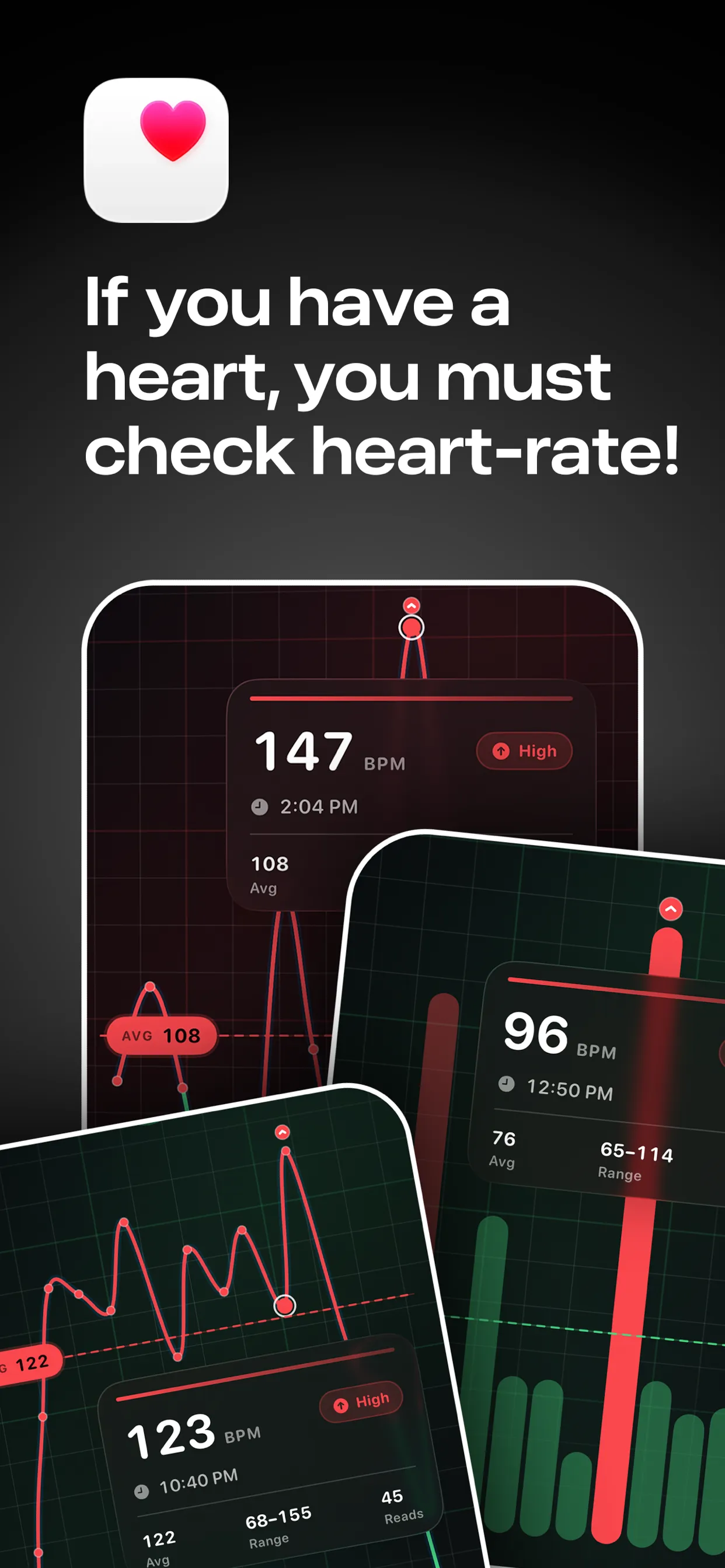
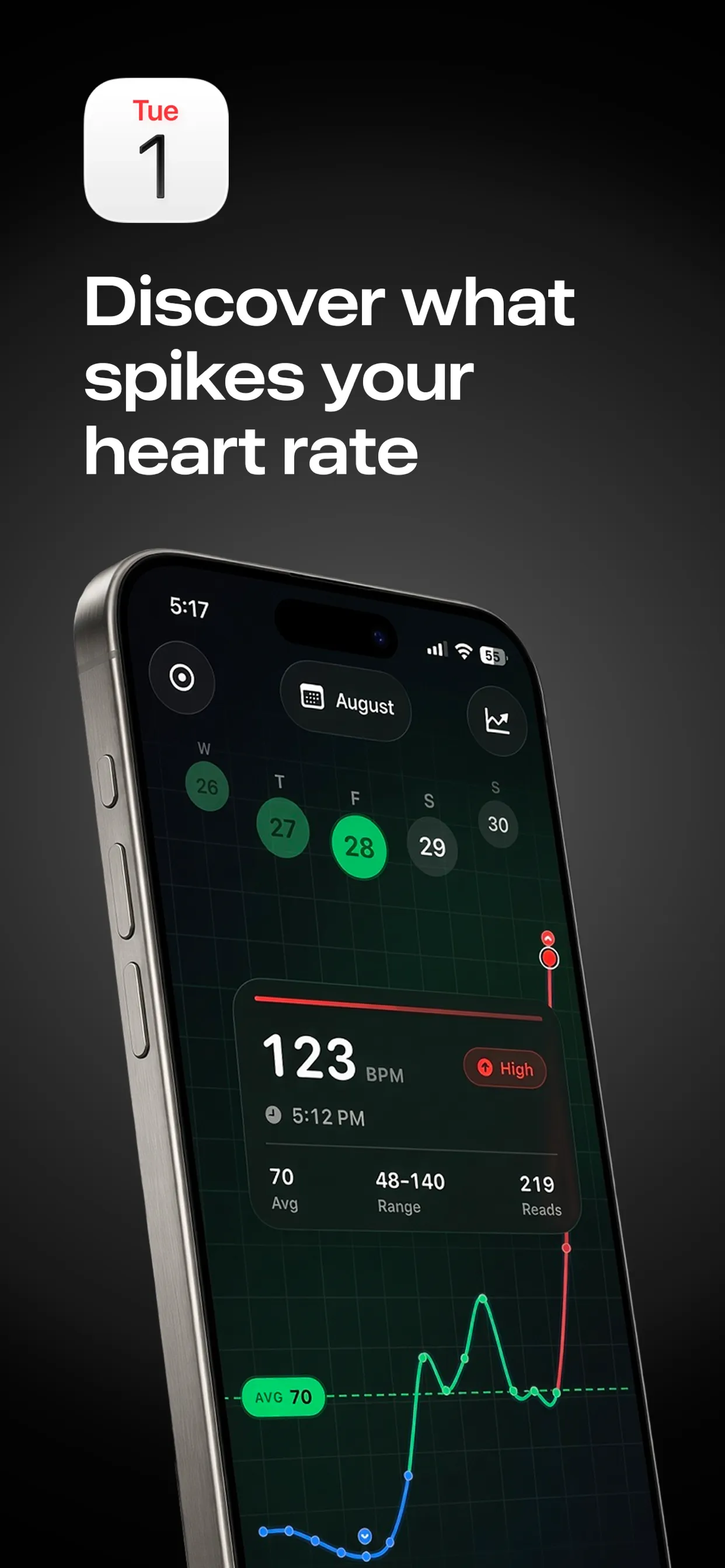
70 BPM: see what caused every heart rate spike
70 BPM lays your Apple Health heart rate over your calendar, so every spike has a name: the standup, the client call, the commute home.

Free to download · Optional Pro in-app purchases · Reads from Apple Health · Stays on your iPhone · Not a medical device; in an emergency, call 911

Lookout · Free dual camera recorder
Lookout: film the moment and the reaction
Lookout runs your iPhone's front and rear cameras in one capture session, so both angles are of the same moment and line up without manual syncing.


Free to download · Lookout Pro in-app purchase · iPhone, Mac & Apple Watch · Records, does not edit. What Lookout is

Down The Drone · Free AR shooter for iPhone
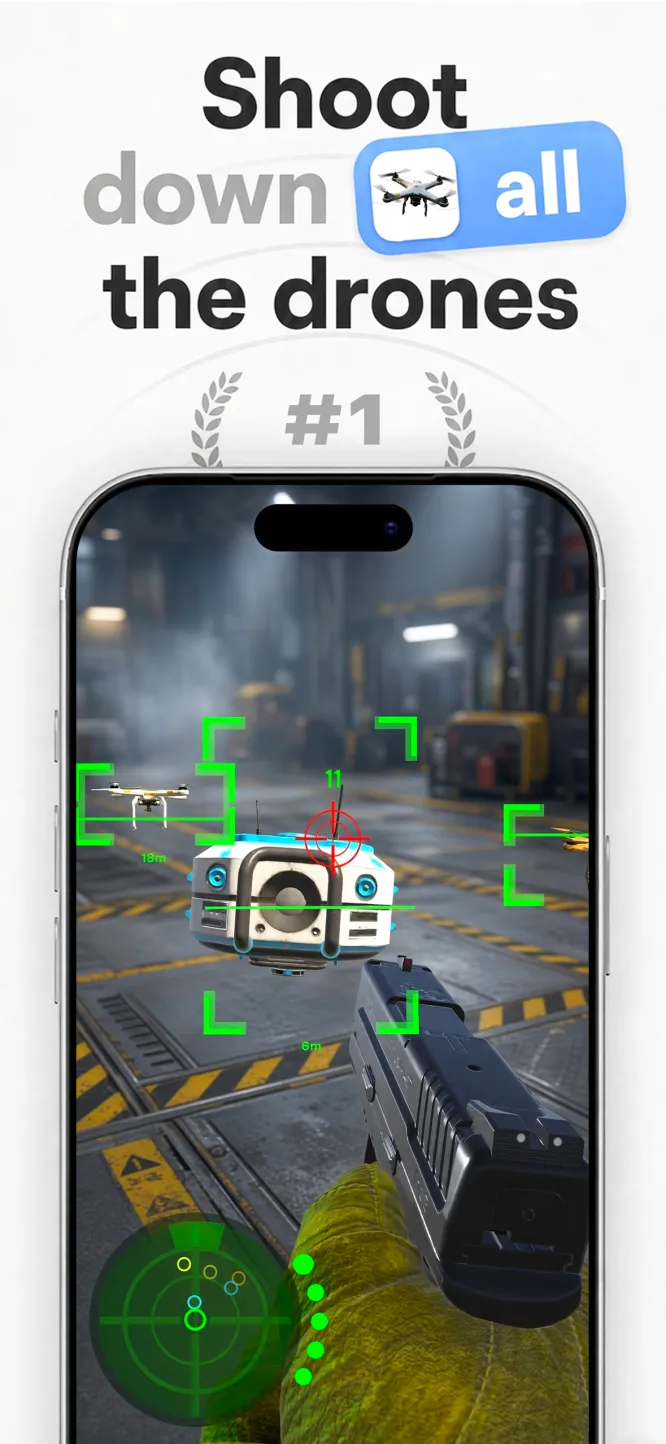
Down The Drone: an AR drone shooter that plays offline
Hostile drone swarms fly in over your sofa, down your hallway, across your backyard. Aim, fire and hold the line, right where you’re standing.
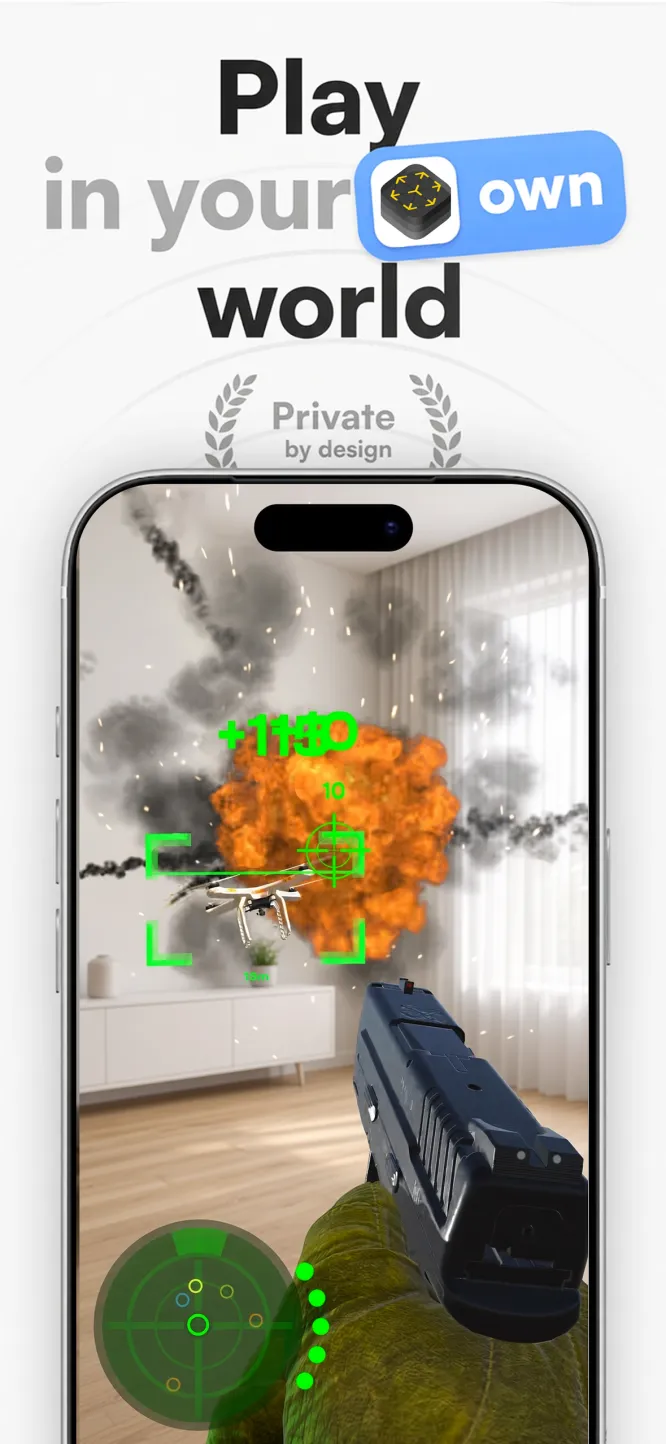
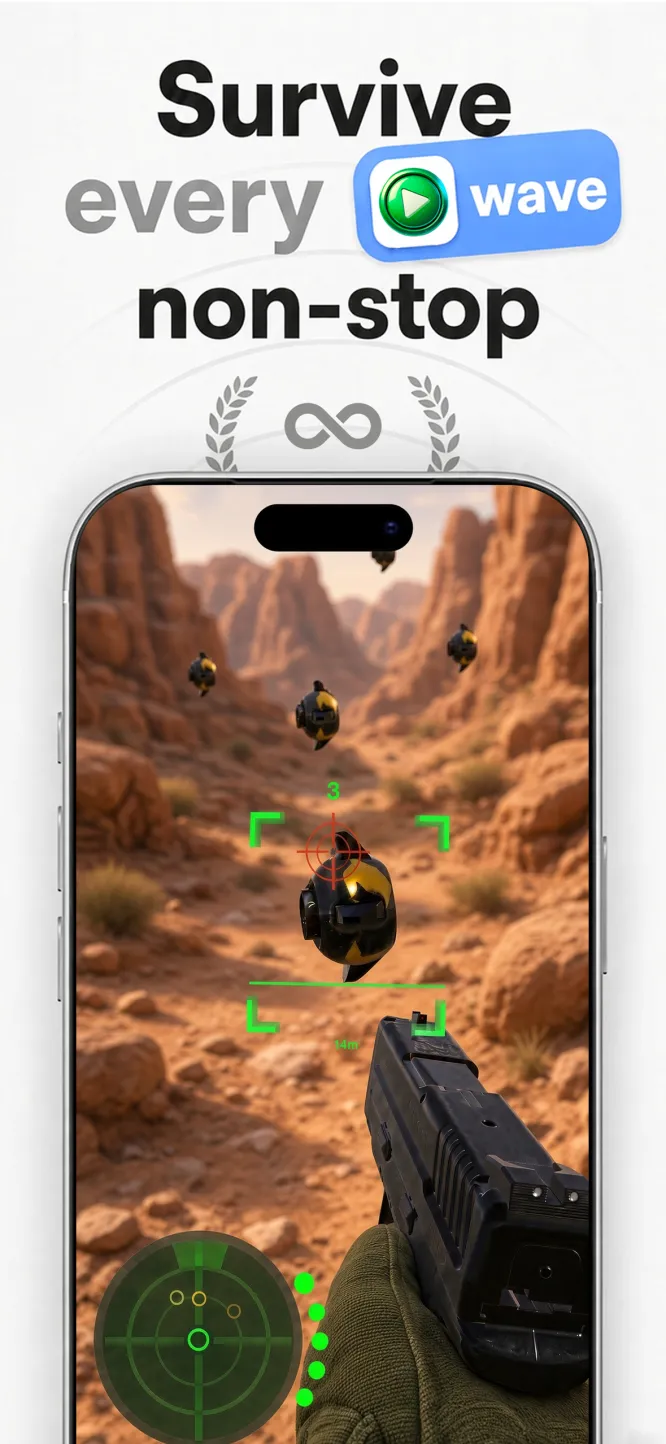
Free to download · No ads · Plays offline · Full game: US$5.99 in-app purchase

Captain Star · Endless space shooter
Captain Star: an easy first shmup
Easy to pick up, impossible to put down. Your ship goes where the pointer goes, each wave has one goal, and restarts are instant.

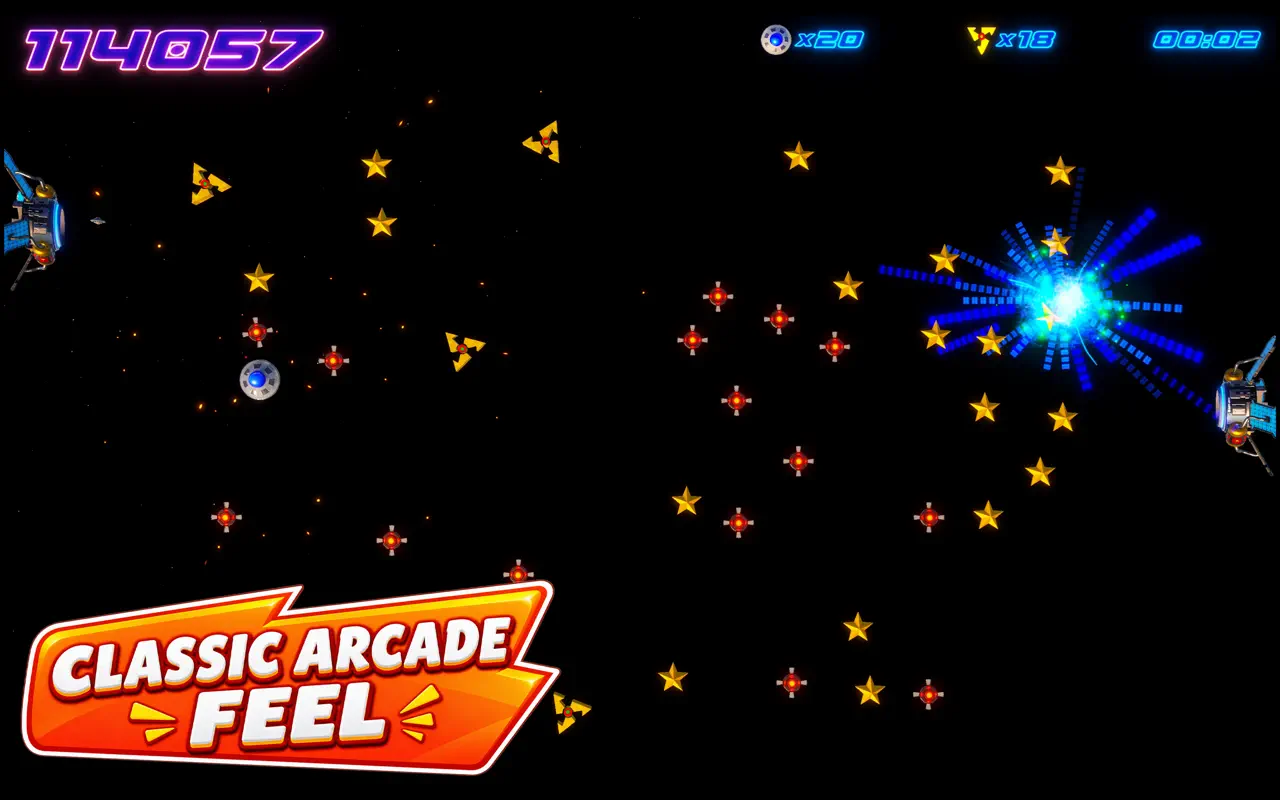


US$0.99 on the Mac App Store · Steam for Windows · Apple TV and iPad

Zero G Space Game · Arcade asteroid shooter for Mac
Zero G Space Game: the asteroid field that fights back
Spin, thrust, fire and wrap the screen. Real inertia, a shield you can time into a parry, hyperspace, and waves that keep escalating.


Mac App Store · Free to download · macOS 13+ · Two full waves free, then a one-time Unlock Full Game
2. The official list (Ready.gov)
Ready.gov's Build A Kit page (last updated July 1, 2026) is the U.S. reference. It says a basic emergency supply kit could include these recommended items:
- Water (one gallon per person per day for several days, for drinking and sanitation)
- Food (at least a several-day supply of non-perishable food)
- Battery-powered or hand crank radio and a NOAA Weather Radio with tone alert
- Flashlight
- First aid kit
- Extra batteries
- Whistle (to signal for help)
- Dust mask (to help filter contaminated air)
- Plastic sheeting, scissors and duct tape (to shelter in place)
- Moist towelettes, garbage bags and plastic ties (for personal sanitation)
- Wrench or pliers (to turn off utilities)
- Manual can opener (for food)
- Local maps
- Cell phone with chargers and a backup battery
Ready.gov then suggests these additional supplies, based on your needs:
- Soap, hand sanitizer and disinfecting wipes to disinfect surfaces
- Prescription medications
- Non-prescription medications such as pain relievers, anti-diarrhea medication, antacids or laxatives
- Prescription eyeglasses and contact lens solution
- Infant formula, bottles, diapers, wipes and diaper rash cream
- Pet food and extra water for your pet
- Cash or traveler's checks
- Important family documents such as copies of insurance policies, identification and bank account records saved electronically or in a waterproof, portable container
- Sleeping bag or warm blanket for each person
- Complete change of clothing appropriate for your climate and sturdy shoes
- Fire extinguisher
- Matches in a waterproof container
- Feminine supplies and personal hygiene items
- Mess kits, paper cups, plates, paper towels and plastic utensils
- Paper and pencil
- Books, games, puzzles or other activities for children
It also advises storing items in airtight plastic bags, in one or two easy-to-carry containers, and rethinking your needs every year.
For power cuts specifically, Ready.gov's Power Outages page (updated June 4, 2026) adds: plan for batteries and alternative power such as a portable charger or power bank, have flashlights for every household member, and keep fridge and freezer doors shut. A closed fridge keeps food cold for about 4 hours, and a full freezer holds its temperature for about 48 hours.
3. Printable 72-hour checklist
| Category | Item | Per person / note | Got it? |
|---|---|---|---|
| Water | Drinking + sanitation water | 1 gallon per day × 3 days = 3 gallons | ☐ |
| Food | Non-perishable, no-cook food | 3+ days; include a manual can opener | ☐ |
| Light | Flashlight + spare batteries | One per person is easiest | ☐ |
| Info | Battery or hand-crank radio | NOAA Weather Radio if you can | ☐ |
| Power | Charged power bank | Recharge it every few months | ☐ |
| Phone | Phone + charger + backup battery | Offline apps installed before | ☐ |
| Health | First aid kit, prescriptions, glasses | Note doses on paper | ☐ |
| Hygiene | Wipes, garbage bags, ties | — | ☐ |
| Tools | Wrench/pliers, whistle, dust mask, plastic sheeting, scissors, duct tape | Ready.gov basic kit | ☐ |
| Papers | ID, insurance and bank record copies; cash | Waterproof container | ☐ |
| Family | Books, games, puzzles | Ready.gov lists these for kids | ☐ |
| Pets | Food, water, meds | — | ☐ |
4. Water and food
Water is the item people under-pack most. At one gallon per person per day, a family of four needs 12 gallons for three days. Store-bought bottled water is the simplest option; keep it somewhere cool and dark and rotate it on a schedule you'll remember.
For food, pick things your family already eats that don't need a fridge or much cooking: canned beans, tuna and soup, peanut butter, crackers, dried fruit, cereal and shelf-stable milk. Ready.gov's power-outage guidance says to keep the fridge and freezer closed, and to throw out food if the temperature is 40 degrees or higher. After about 4 hours, the fridge is no longer reliably cold, while a full freezer can last about 48 hours if you keep the door shut. Eat fridge food first, then freezer food, then the pantry.
5. Light and power
Flashlights beat candles for safety. Ready.gov says to have flashlights for every household member; pack extra batteries too. A battery or hand-crank radio keeps you informed if cell service and the internet go down.
The modern weak spot is your phone. Save battery first: dim the screen, turn on low-power mode, close apps you don't need, and switch off Wi-Fi and Bluetooth scanning when there's nothing to connect to. Keep a charged power bank in the kit — Ready.gov lists one in both its kit and its power-outage advice — and recharge it whenever you check your supplies.
6. Get your phone ready to work offline
In a long outage, cell towers can run out of backup power and home Wi-Fi is gone. Any app that needs the internet stops being useful. So before an emergency, set your phone up to work offline:
- Download offline maps of your area in your map app, so you can navigate without data.
- Fill in your Medical ID / emergency contacts so responders can see them from the lock screen.
- Save key numbers and a photo of your documents on the phone, and keep a paper copy too.
- Install apps that genuinely work with no connection and test them in airplane mode.
These apps are built to work fully offline, with nothing sent to a server:
- Lookout — App Store. A camera and GPS app that captures a near-360° view and keeps everything private on your device. In an outage it's a simple way to record your surroundings with location, for example to document damage for your own records, and it doubles as a family video camera (see below).
- 70 BPM — App Store. A calm-down companion with guided breathing pace and heart-rate check-ins, for moments when stress or panic rises — useful for older relatives or anyone who gets anxious in the dark. 70 BPM is not a medical device and does not diagnose or treat anything. In an emergency, call 911.
7. Keeping the family calm and entertained
Ready.gov includes games and puzzles in its kit for a reason: hours in the dark go slowly, especially for children. Mix screen-free and screen activities, and keep screen time short to protect battery.
Screen-free: a deck of cards, board games, books, coloring and puzzles.
On the phone (offline, battery-light), games like:
- Captain Star — App Store
- Zero G (formerly Astro Belt) — App Store
- Down the Drone — App Store
Or turn it into a project: use Lookout to make a family "blackout movie" by flashlight — interviews, a candle-free shadow-puppet show, a tour of the dark house. Kids remember the story instead of the fear.
8. Special needs
Add anything your household relies on daily: prescription medicines and a written dose list, glasses, hearing-aid batteries, infant formula and diapers, and pet supplies (Ready.gov lists all of these). If someone uses powered medical equipment, talk to their provider now about a backup plan for a power cut.
9. FAQ
How much water do I need for a 72-hour kit? Ready.gov says one gallon per person per day, so three gallons per person for three days.
What food should go in a 72-hour kit? Non-perishable food that needs little or no cooking, plus a manual can opener.
How long does food last in the fridge when the power is out? About 4 hours with the door closed; a full freezer about 48 hours (Ready.gov).
Should I keep a power bank in my emergency kit? Yes. Ready.gov lists a cell phone with chargers and a backup battery in its kit and a power bank in its power-outage advice.
What apps work without internet in an emergency? Offline maps you downloaded in advance, and apps designed to run offline, such as Lookout, 70 BPM and offline games. Test them in airplane mode first.
10. Sources
- Ready.gov, Build A Kit, updated July 1, 2026: https://www.ready.gov/kit
- Ready.gov, Power Outages, updated June 4, 2026: https://www.ready.gov/power-outages
11. Updated
Last updated: 30 October 2026.
12. Get ready tonight
Print the table, check off what you already have, and install your offline apps while you still have Wi-Fi. Explore more offline apps: more offline apps.