

70 BPM · Free heart rate app for iPhone
70 BPM: see what caused every heart rate spike
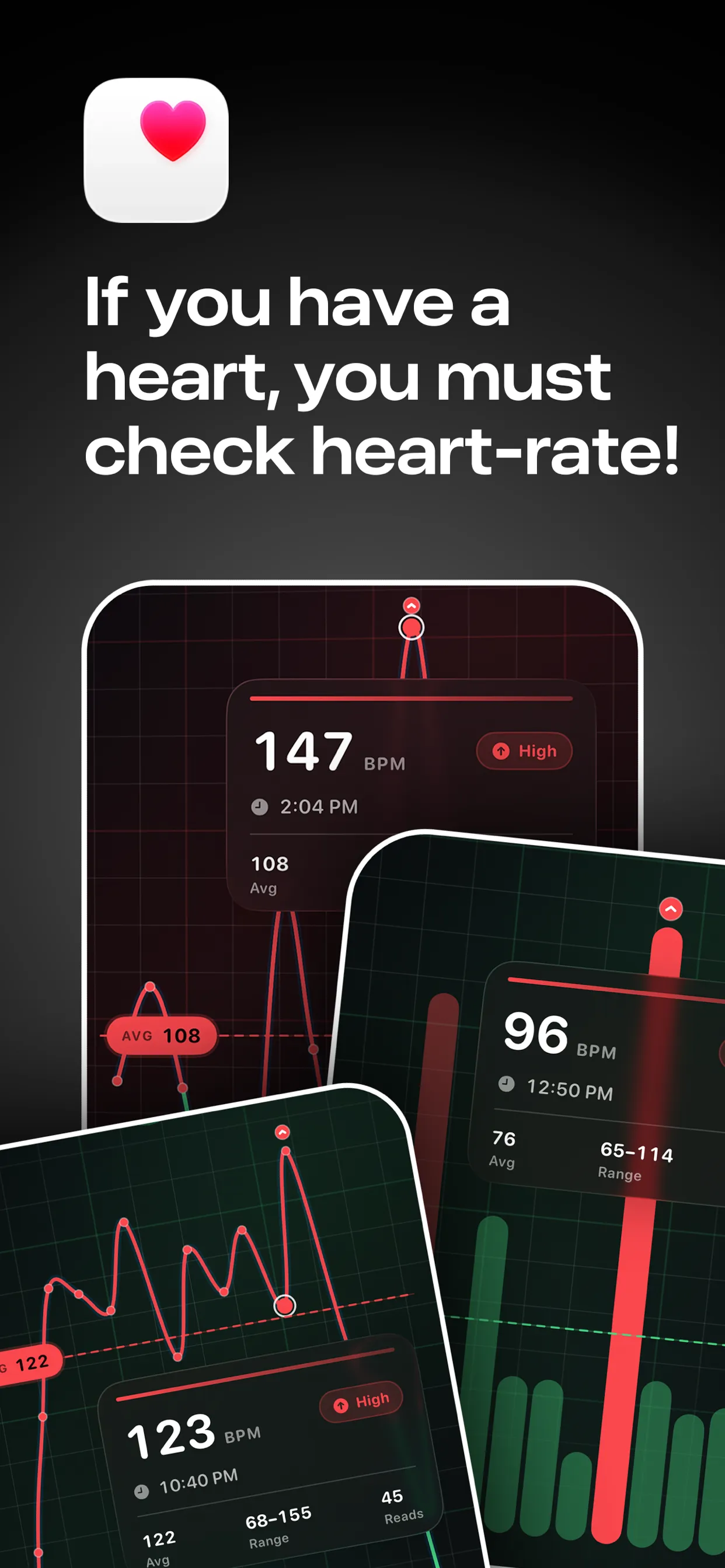
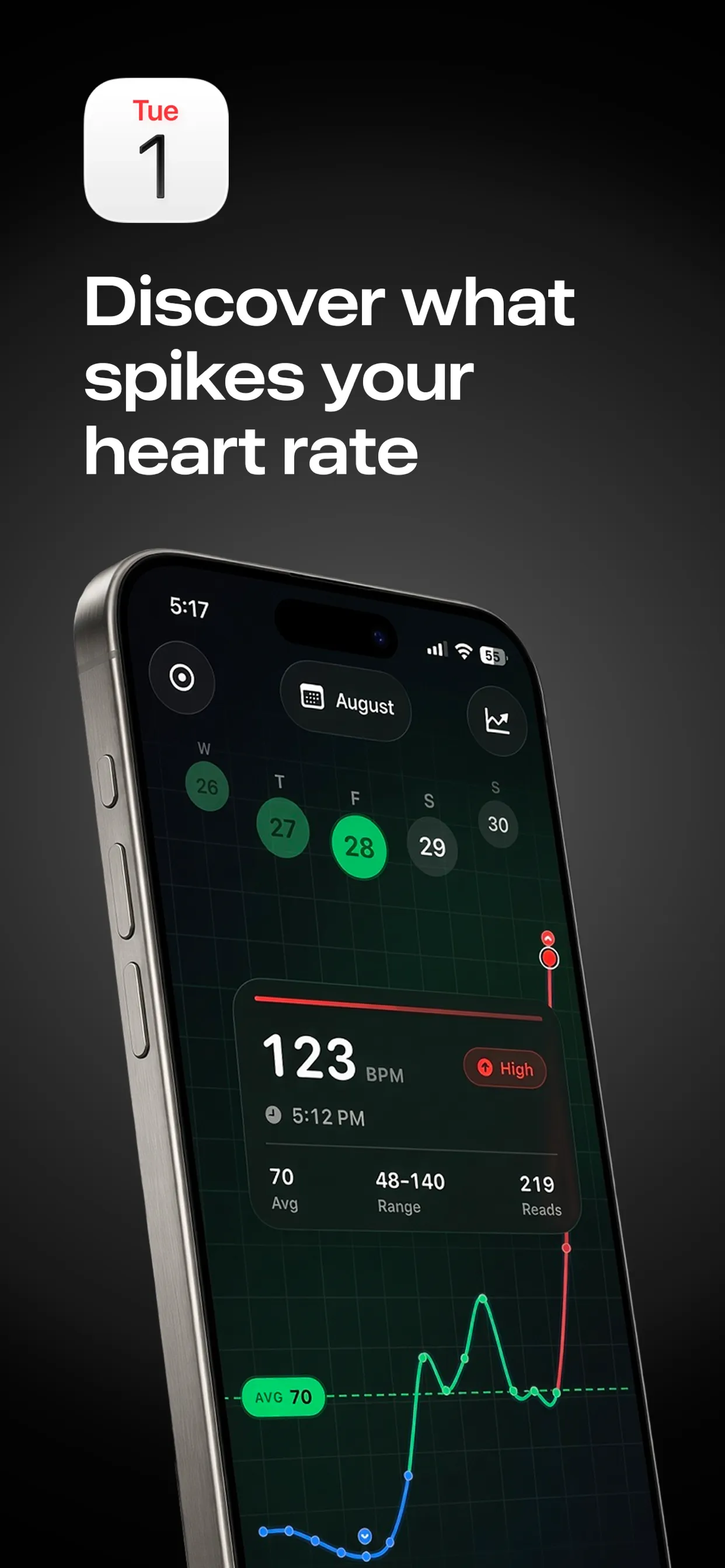
70 BPM lays your Apple Health heart rate over your calendar, so every spike has a name: the standup, the client call, the commute home.

Free to download · Optional Pro in-app purchases · Reads from Apple Health · Stays on your iPhone
Key facts
- 1986 study of 27 young men with febrile infections: average heart rate was 84.0 BPM while feverish and 66.5 BPM after recovery, an average rise of 8.5 BPM for each 1 °C of temperature.
- Stanford Medicine built a smartwatch algorithm that tracks resting heart rate and step count. In retrospective data it flagged COVID-19 before symptoms arose, or as they arose, 63% of the time.
- A raised resting rate is not specific. Stress, a poor night, alcohol, heat, dehydration and exercise can raise it too, and a missing rise does not mean you are well.
Does heart rate go up before getting sick?
Short answer: It can. Stanford researchers built an algorithm using resting heart rate and step count that flagged COVID-19 before symptoms arose, or as they arose, 63% of the time in retrospective data.
That result was retrospective and specific to the algorithm. A rise is a hint, not a diagnosis, because stress, alcohol and a poor night raise resting heart rate too.
Why does heart rate rise when you are ill?
Fighting an infection raises body temperature and metabolic demand, and the heart beats faster to move blood and heat around. Dehydration and poor sleep add to it. The size of the rise varies by person, so your own baseline is the useful reference.
How big is the rise?
| Fever | Typical added BPM (at about 8.5 per °C) |
|---|---|
| 37.5 °C (99.5 °F) | About 4 to 5 above your usual |
| 38.5 °C (101.3 °F) | About 9 to 13 above your usual |
| 39.5 °C (103.1 °F) | About 17 to 21 above your usual |
These figures come from averages in young men; individuals differ, and a heart rate that rises far less than expected during a high fever is also something to mention to a clinician.
How can I use my watch to spot illness early?
- Learn your baseline. Note your calm morning or sleeping heart rate over two weeks.
- Look for a sustained rise of several beats over that baseline for a day or more, without an obvious cause such as a hard workout or a late night.
- Mark the days. Add Feeling off or Sick day as calendar events so you can see in 70 BPM how the rise lines up with symptoms and recovery.
- Check the other usual suspects first: alcohol, caffeine, stress.
An early signal is a prompt to rest and watch how you feel, not a diagnosis. For the wider picture of a rising baseline, see elevated resting heart rate.
When should I get medical help?
High fever, chest pain, breathlessness, confusion, a very fast or irregular heartbeat, or a heart rate that stays high after you recover all need a clinician, not an app.
Not medical advice. 70 BPM shows heart-rate data your watch has already written to Apple Health. It is not a medical device and cannot diagnose or treat anything. In an emergency, call your local emergency number (911 in the US, 112 in the EU, 999 in the UK). If your heart rate is often high at rest, or you have chest pain, dizziness or breathlessness, see a doctor.