

70 BPM · Free heart rate app for iPhone
70 BPM: see what caused every heart rate spike
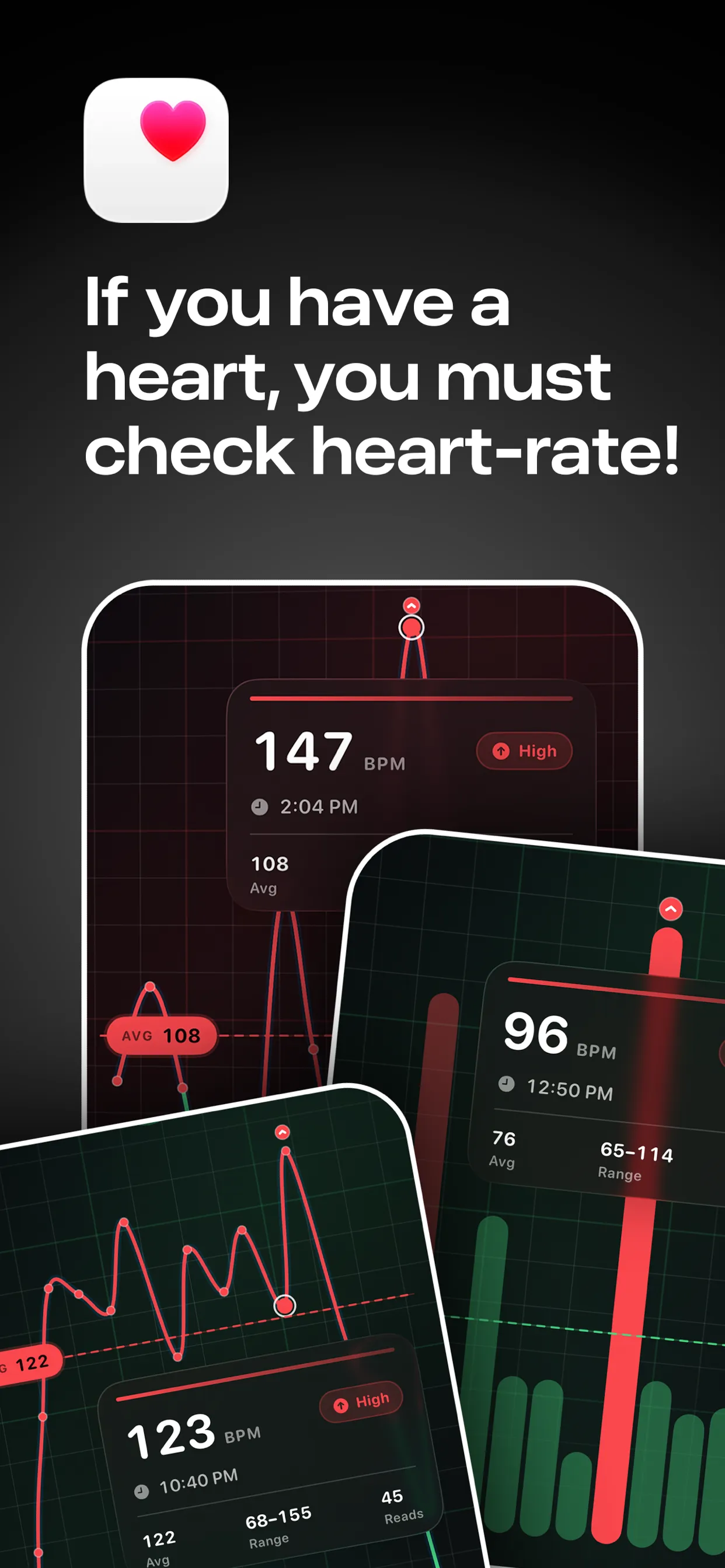
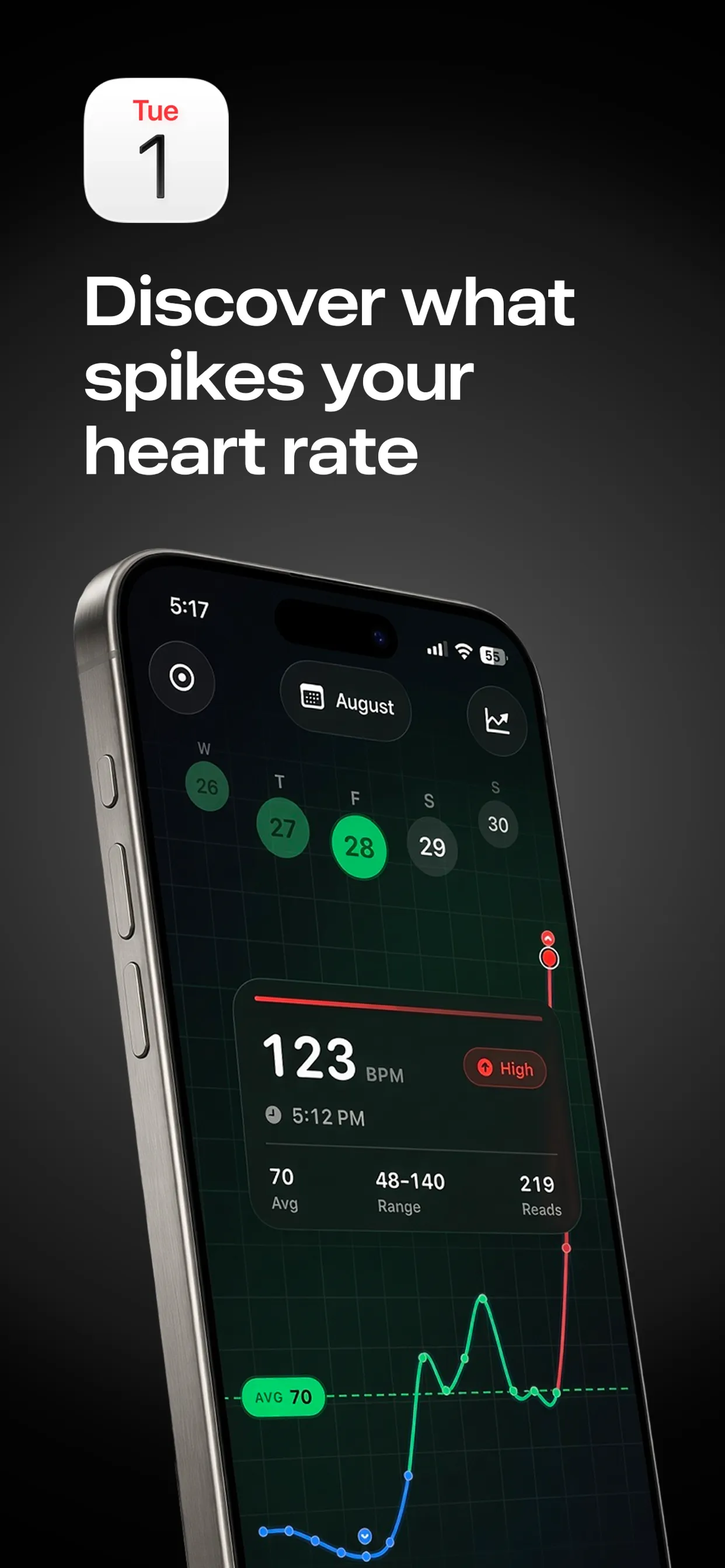
70 BPM lays your Apple Health heart rate over your calendar, so every spike has a name: the standup, the client call, the commute home.

Free to download · Optional Pro in-app purchases · Reads from Apple Health · Stays on your iPhone
Key facts
- Journal of Clinical Medicine (2018), a meta-analysis of 191 studies: every type of exercise studied lowered resting heart rate, but only endurance training and yoga lowered it significantly in both men and women.
- The same review found bigger drops in people who started with a higher resting heart rate and in younger people.
- Mayo Clinic: a normal adult resting heart rate is 60 to 100 BPM, and well-trained athletes can sit closer to 40.
- PLOS Digital Health (20,968 wearable users): nights with alcohol were linked to a higher overnight resting heart rate, so drinking less is one of the quickest changes to see.
What lowers resting heart rate the most?
| Change | What the evidence says | When you might see it |
|---|---|---|
| Endurance training (walking, running, cycling, swimming) | Significant drop in both sexes in the 2018 meta-analysis | Weeks to months |
| Yoga | Significant drop in both sexes in the same review | Weeks to months |
| Strength training | Lowered resting heart rate, but less consistently | Weeks to months |
| Less alcohol | Higher heart rate overnight after drinking | The next night |
| Enough sleep, less late caffeine | Everyday causes of a raised resting rate | Days |
Exercise effects take time; the quickest wins usually come from sleep and alcohol.
A 30-day plan to lower your resting heart rate
- Days 1 to 7: measure. Change nothing. Let your watch record a normal week so you know your baseline.
- Days 8 to 14: sleep and alcohol. Keep a fixed bedtime, stop drinking a few hours before bed, and move the last coffee to before 2 pm.
- Days 15 to 21: add movement. Three or four 30-minute sessions of easy cardio or yoga, put in your calendar as events. Easy means you can still talk; see zone 2 heart rate.
- Days 22 to 30: protect recovery. Keep the sessions, add a short walk after your most stressful meeting, and compare the week with week one.
Thirty days is a start, not a finish. The meta-analysis looked at programmes lasting weeks to months, so keep going and watch the trend.
How do I track resting heart rate in 70 BPM?
- Wear your Apple Watch as normal, including overnight if you can.
- Add your workouts, late nights and big dinners to your calendar as events.
- Open 70 BPM each week to see your resting trend next to those events, and which days pushed it up.
70 BPM is free to download for iPhone and reads from Apple Health on your device; see how it handles privacy.
When should I see a doctor?
If your resting heart rate is regularly above 100, or below 60 when you are not a trained athlete with dizziness or fainting, talk to a clinician, as the Mayo Clinic advises. Some medicines and thyroid problems change resting heart rate, and no plan replaces a check-up. See elevated resting heart rate.
Not medical advice. 70 BPM shows heart-rate data your watch has already written to Apple Health. It is not a medical device and cannot diagnose or treat anything. In an emergency, call your local emergency number (911 in the US, 112 in the EU, 999 in the UK). If your heart rate is often high at rest, or you have chest pain, dizziness or breathlessness, see a doctor.