

70 BPM · Free heart rate app for iPhone
70 BPM: see what caused every heart rate spike
70 BPM lays your Apple Health heart rate over your calendar, so every spike has a name: the standup, the client call, the commute home.
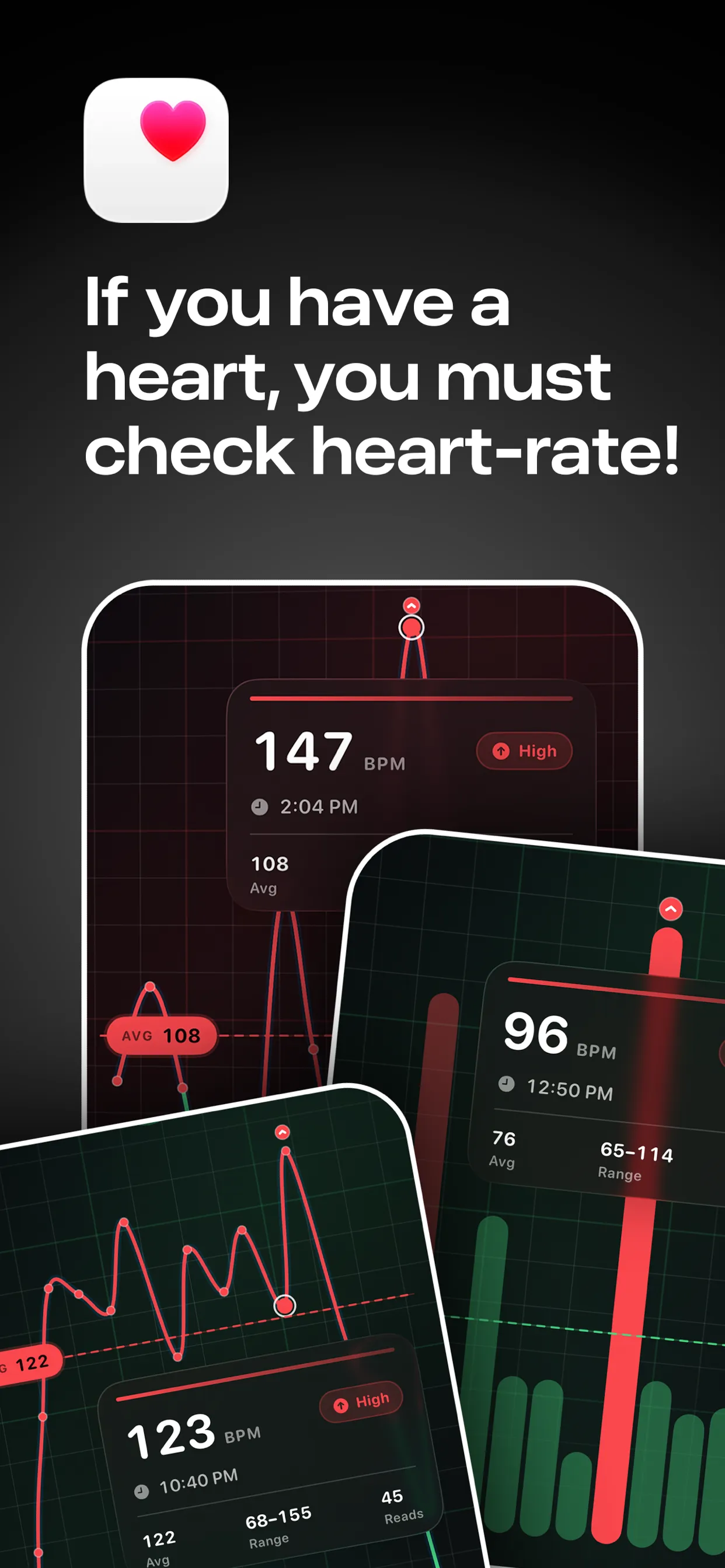
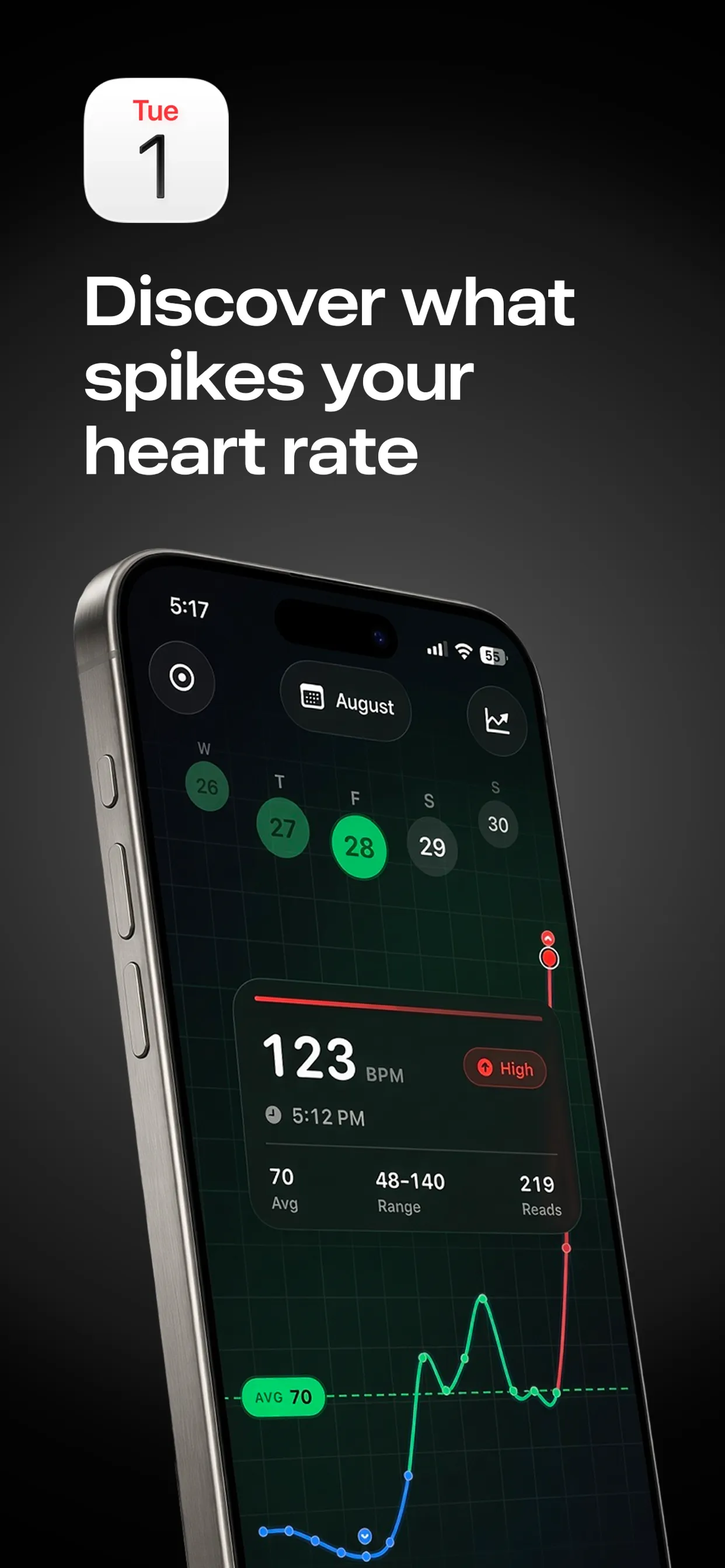

Free to download · Optional Pro in-app purchases · Reads from Apple Health · Stays on your iPhone
Key facts
- Frontiers in Physiology (2019): 41 older and vulnerable participants spent a 4 to 5 hour simulated flight at a 7,000 ft cabin altitude. Heart rate was 3.9% higher (95% CI 2.1 to 5.8) than on a ground-level day, and RMSSD, a heart rate variability measure, was 10.6% lower. Results for healthy younger passengers may differ.
- US regulations (14 CFR 25.841) require pressurised cabins to provide a cabin pressure altitude of no more than 8,000 feet under normal operation.
- That means passengers breathe air with less oxygen than at sea level, which is one reason heart rate can edge up.
Why does heart rate go up on a plane?
- Cabin altitude: up to 8,000 feet equivalent, with less available oxygen than on the ground.
- Anxiety or excitement at takeoff, landing and turbulence.
- Caffeine, alcohol and dry air in the cabin. See heart rate after alcohol.
- Rushing through the airport beforehand.
Which part of a flight raises heart rate most?
Split the journey into events: Boarding, Takeoff, Cruise, Landing. Heart rate is stored on your watch with no signal needed and syncs to Apple Health later. Many people who dread takeoff find that landing, or the rush at the gate, was higher.
How to see it in 70 BPM
- Wear an Apple Watch (or another device that writes heart rate to Apple Health) as normal.
- Put the journey in your calendar as an event, for example Flight, boarding to landing.
- Open 70 BPM and tap the event to see only the heart-rate readings inside it, next to the rest of your day.
70 BPM is free to download for iPhone and reads from Apple Health on your device; see how it handles privacy.
How can I use the data if I fly nervously?
Compare two flights: one where you do nothing special, one where you try slow breathing at takeoff. Your own chart is more persuasive than general advice. The heart rate during a presentation guide applies the same idea to nerves.
When should I take it seriously?
Chest pain, breathlessness or a sudden pounding heart in flight should be reported to the crew immediately.
Not medical advice. 70 BPM shows heart-rate data your watch has already written to Apple Health. It is not a medical device and cannot diagnose or treat anything. In an emergency, call your local emergency number (911 in the US, 112 in the EU, 999 in the UK). If your heart rate is often high at rest, or you have chest pain, dizziness or breathlessness, see a doctor.